NSF FABRIC and Machine Learning:
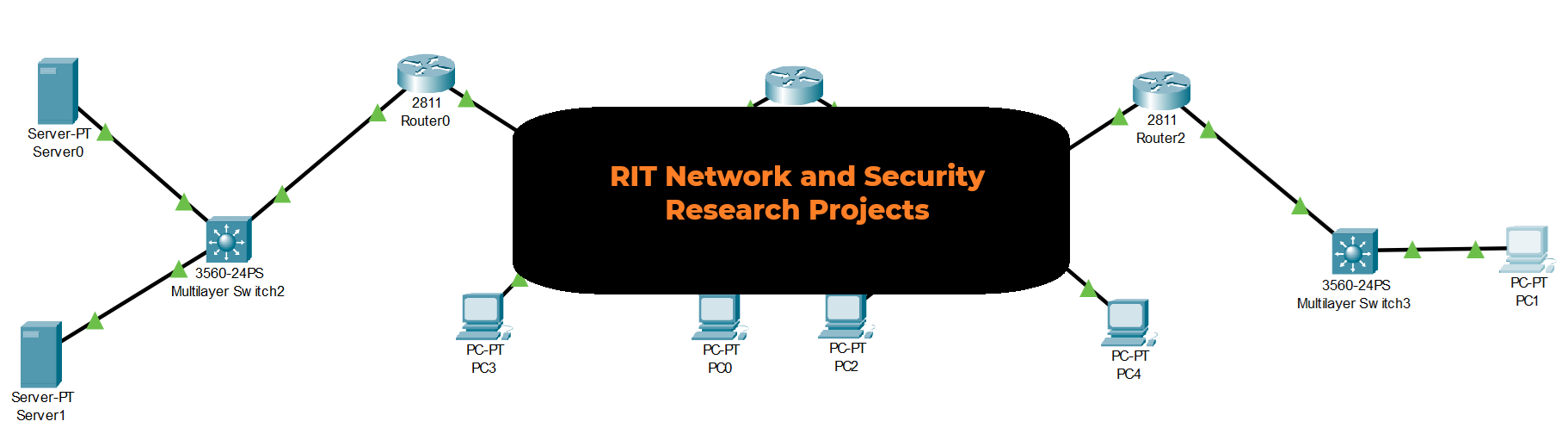
The RIT Network Research team is combining machine learning techniques and topologies built on the NSF funded FABRIC infrastructure in order to address networking and security challenges. These are important research areas but equally important is developing the related student skills and knowledge.
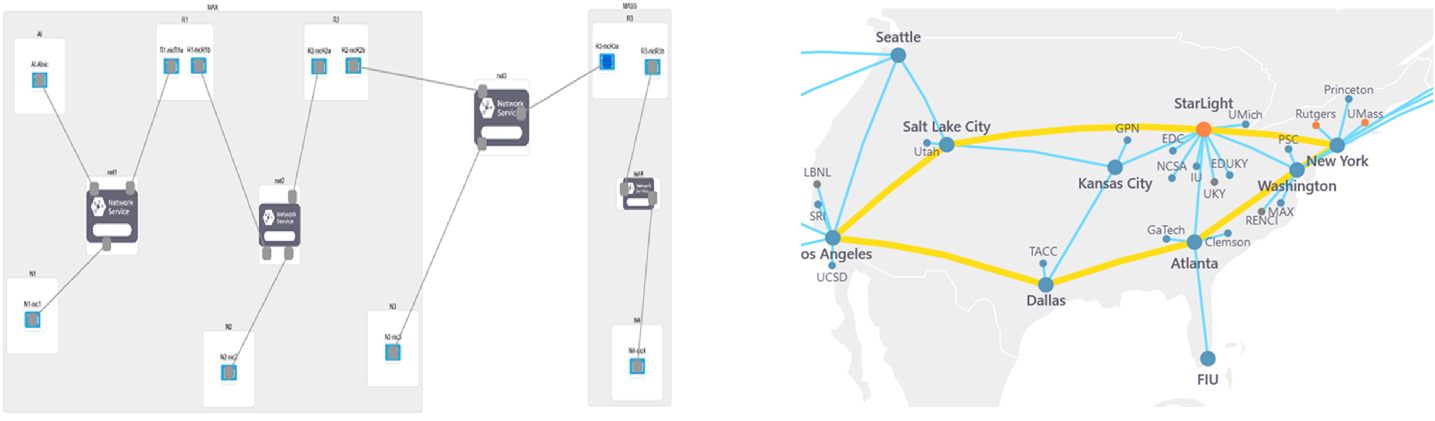
NSF FABRIC (FABRIC is Adaptive ProgrammaBle Research Infrastructure for Computer Science and Science Applications) is an International infrastructure that enables cutting-edge experimentation and research at-scale in the areas of networking, cybersecurity, distributed computing, storage, virtual reality, 5G, machine learning, and science applications.
The FABRIC infrastructure is a distributed set of equipment at commercial collocation spaces, national labs and campuses. Each of the 29 FABRIC sites has large amounts of compute and storage, interconnected by high speed, dedicated optical links. It also connects to specialized testbeds (5G/IoT PAWR, NSF Clouds), the Internet and high-performance computing facilities to create a rich environment for a wide variety of experimental activities. FABRIC Across Borders (FAB) extends the network to 4 additional nodes in Asia and Europe.
Project 1: Machine Learning and Network Research on the NSF FABRIC Testbed
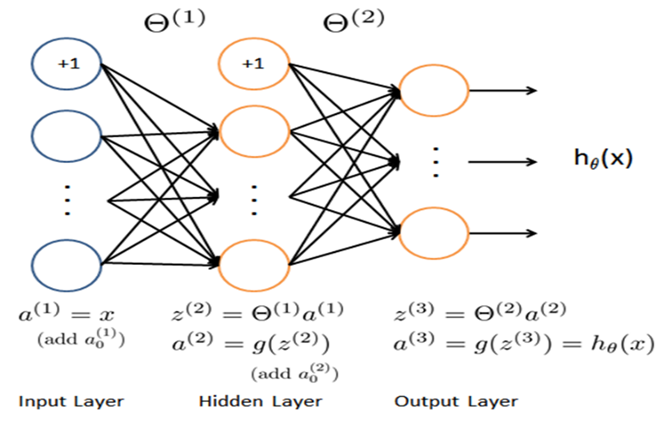
Current experiments require machine learning nodes containing models, datasets for training, and a workflow moving a trained model to an operating topology housed on the virtualized testbed. This operation and the components embody a collection of advanced concepts that can make it difficult for students to seamlessly join machine learning-based projects.
While students understand many of the fundamental components (networking, virtualization, coding, machine learning), research work performed on a complex FABRIC infrastructure is much larger in size and scope.
This project seeks to engage a pair of students in our current machine learning, networking, and security work in order to determine what they need to learn and what entry-level skills they should possess. This information will be used to prepare the next generation of students working on this or related projects. It will also provide needed input to future funding proposals. Specifically, the goals of this project include:
- Have students work from start to finish on a project housed in FABRIC in order to understand and document the student perspective. This will enable us to better understand important prerequisite knowledge and what learning experiences must be created.
- Outline a project plan and operational requirements for externally funded solicitations such as those found in the NSF NetS program which involves both I-School and NTID students.
Current research questions under examination include:
- Packet classification via neural network ensembles
- ARP poisoning and adversarial attacks
- Connectivity outages and topology management
- Dataset creation

Project 2: RIT Network and Security Dataset Repository
The lack of quality datasets is a critical problem that limits machine learning experimentation in the areas of intelligent networks and security.
This collection of datasets contains packets from a variety of contemporary (2020 onward) layer 2, layer 3, layer 4 and application layer protocols. It is a growing series of curated and un-curated datasets for both general network classification experiments and security investigations.
The curated datasets are used as part of our machine learning classification work and the collection contains some details on model structure and baseline accuracy for comparison.
The collection contains curated (ex. enforced balance) and non-curated (raw) datasets in several formats. This work was recently published in the International Symposium on Networks, Computers and Communications (ISNCC'24)
Student Research Team

Gavin Hunsinger:
Student in the ISchool - let's go!
Sinhdu Munugoti:
Student in the ISchool - joins us from afar
Zachary Riback:
Student in the Computer Security department- Python king
Faria Sultana:
Student in the ISchool - not enough hours in the day
Faculty Research Team

Bruce Hartpence:
Professor in the ISchool, research interests include machine learning, wired and wireless networks, gamification

Daryl Johnson:
Professor in the Computer Security department, research interests include covert channels and system security.

Bill Stackpole (retired):
Professor in the Computer Security department, research interests include OSINT, directory protocols and playing the guitar.